
What Can I Do with a Health Sciences Degree?
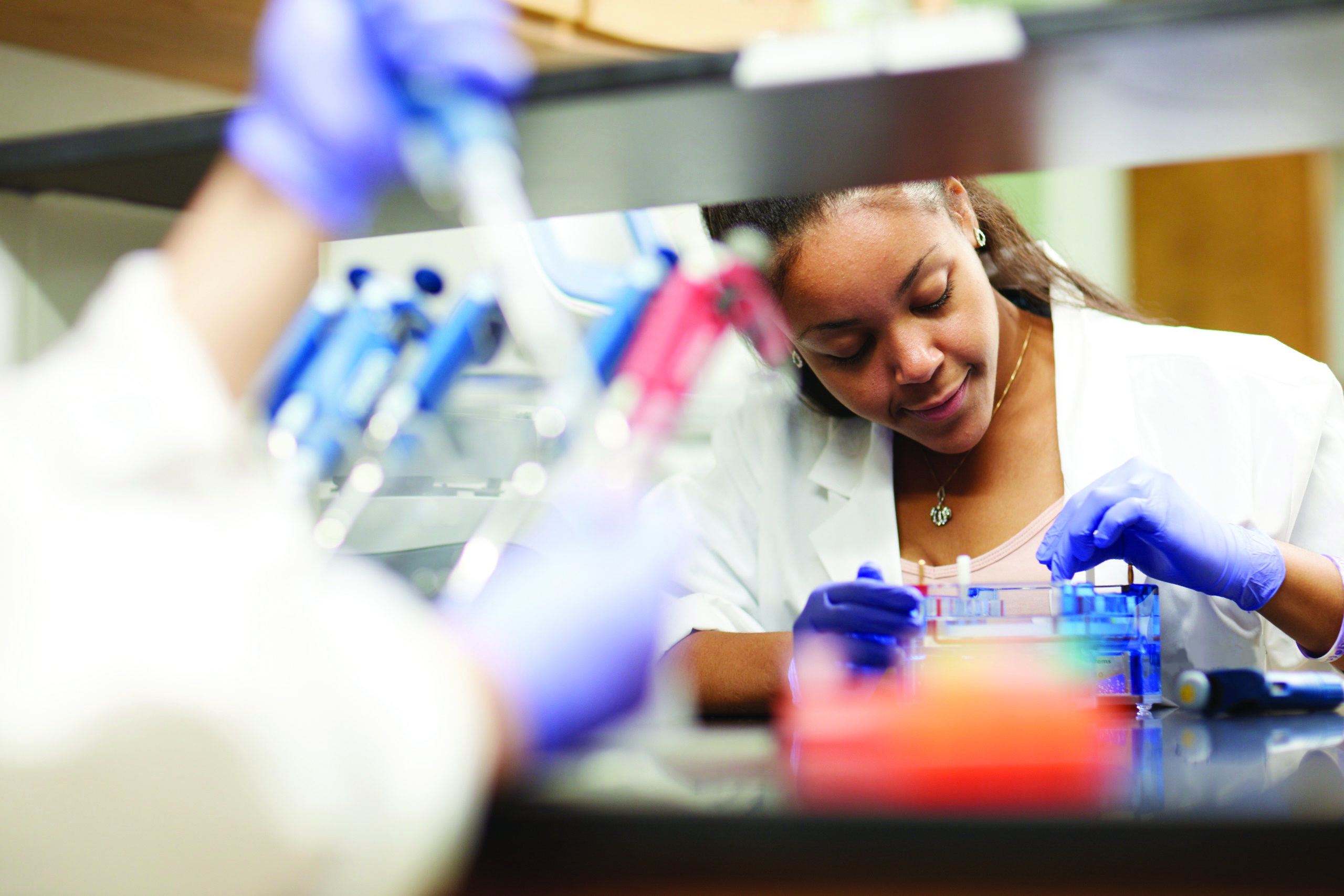


A Bachelor of Science in Health Science program is a four-year degree program designed to prepare students for a wide range of careers in the healthcare sector. Many health science graduates go on to pursue advanced studies in areas that range from medicine to clinical research. This is made possible by the uniquely multidisciplinary nature of health science programs.
Health science degree programs generally include classes on:
- Physiology
- Research
- Microbiology
- Genetics
- Biochemistry
- Psychology
- Lifespan development
- Advanced subjects such as kinesiology and organic chemistry
However, graduates don’t have to earn a master’s degree or doctorate to start their career in healthcare. For individuals wondering what they can do with a health science degree right after graduation, here are some options to consider in different areas of the healthcare industry.
What To Do with a Health Sciences Degree? Four Career Options for New Graduates
In many sectors of the economy, a bachelor’s degree is required for entry-level positions. But many graduates are also equipped to take on certain higher-level roles in research, direct patient care, and other areas that can give them the chance to gain meaningful work experience and hone their skills. In some cases, these positions may require additional education, training, or certification.
1. Clinical Laboratory Technician or Technologist
Clinical laboratory technicians and technologists perform tests ordered by doctors, surgeons, and other medical specialists. Technicians and technologists have many similar duties, but technicians often perform tests using automated lab equipment, while technologists typically perform detailed tests that require more specialized skills.
The day-to-day duties of clinical laboratory technicians and technologists include:
- Working with samples of all kinds, including tissue and blood
- Sterilizing and maintaining lab equipment
- Discussing their findings with specialists to inform patients’ diagnosis and treatment
- Logging all their findings in patients’ records
Clinical laboratory technicians and technologists had a median annual salary of $60,780 in 2023, according to the U.S. Bureau of Labor Statistics (BLS).
The BLS projects that the number of jobs for technologists and technicians will increase by 5% between 2023 and 2033 and that an average of 24,200 job openings will be available per year.
2. Biological Technician
Biological technicians are similar to clinical technicians, but they work in a much wider range of settings. While some work in medical labs, others work with pharmaceutical researchers, zoologists, epidemiologists, and just about any other professional who works with biological material.
Though they vary between work settings, biological technicians’ duties often include:
- Collecting, quantifying, and identifying research samples
- Preparing lab equipment
- Examining samples and sharing their insights with their colleagues
- Carrying out tests that are part of larger experiments
- Performing administrative tasks such as preparing reports and presentations
The BLS reports that biological technicians had a median annual salary of $51,430 in 2023.
Between 2023 and 2033, the BLS projects 7% growth in positions for biological technicians, with an average of 10,300 job openings available each year.
3. Health Education Specialist
For individuals wondering what they can do with a health sciences degree in the public health sector, becoming a health education specialist is a rewarding option. While these professionals can serve individuals, they typically focus on teaching entire communities about disease prevention, health risks, and healthy lifestyle behaviors.
Typical duties for health education specialists include:
- Educating individuals, their caregivers, other health professionals, and entire communities on health issues
- Performing community-wide health assessments
- Advocating for public policies that foster community health
- Collaborating with local leaders, community-based service organizations, and public health officials on health initiatives
- Developing curricula for health education purposes
- Researching new public health trends and emerging issues
The BLS reports that health education specialists had a median annual salary of $62,860 in 2023.
Between 2023 and 2033, the BLS projects 7% job growth for health education specialists, with an average of 6,700 job openings available each year.
4. Exercise Physiologist
Also known as exercise specialists or exercise scientists, exercise physiologists help their clients develop exercise routines that meet their abilities and healthcare needs. They often serve clients suffering from chronic diseases and work in medical settings such as hospitals and specialty clinics. However, many are self-employed and offer their services to healthcare communities of all kinds.
Common duties of exercise physiologists include:
- Developing exercise routines for their clients based on the clients’ medical history
- Closely monitoring their clients’ metrics, such as their blood pressure
- Researching the physiological effects of different exercises
- Performing stress tests and other exams that can help other members of their clients’ healthcare teams get a full picture of their needs
Exercise physiologists need a license to practice in some states. In other states, certification through a national organization such as the American Society of Exercise Physiologists is optional but often preferred by employers.
The BLS reports that exercise physiologists had a median annual salary of $54,860 in 2023.
Employment of exercise physiologists is expected to increase by 10% between 2023 and 2033, according to the BLS, with an average of 1,600 job openings available each year.
Take the First Step in Your Professional Journey
Earning a degree in health science can be an important first step for those interested in starting a career in any of a wide range of healthcare fields. Whether you want to begin your career right after graduation or pursue more advanced studies, the Bachelor of Science in Health Science program at New England College can help you prepare.
With a core curriculum made up of courses in essential sciences such as biology, physiology, and chemistry, NEC’s program helps students build a foundation of knowledge that can help prepare them for a career in virtually any area of healthcare. Once students have a firm grasp of these subjects, they can customize their coursework to align with their future plans to work or enroll in graduate-level studies in physical therapy, dentistry, medical practice, veterinary practice, or another advanced specialty.
To find out more about what you can do with a health science degree from New England College, reach out to the admission team today.
More News

Data Science and AI: Differences and How They Work Together
- Artificial Intelligence
- Blog
- Information Technology

Anthony Denizard: From Uncertainty to Opportunity and Why College Still Matters
- Alumni Spotlight
- Blog
- Business and Management
- Publications
Leading with Purpose: NEC’s Principal Licensure Program Is Preparing New Hampshire's Next Generation of School Leaders
- Education
- Faculty Spotlight
- NEC News
- Student Spotlight