
8 Nursing Careers You Can Get with a BSN
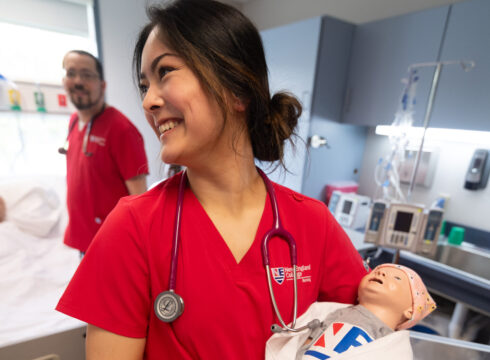


Students interested in becoming registered nurses (RNs) have two main options: an Associate Degree in Nursing (ADN) or a Bachelor of Science in Nursing (BSN). After graduation, students in both programs are eligible to take the National Council Licensure Examination for Registered Nurses (NCLEX-RN), become licensed, and start careers in clinical patient care.
However, more nurses than ever are choosing BSNs over ADNs, according to the American Association of Colleges of Nursing (AACN). In fact, about 72% of RNs had a bachelor’s degree as of 2022. One reason behind this trend is the impressively diverse roles BSN-prepared nurses can hold in today’s complex healthcare sector.
For future nurses who are weighing their options, here are eight nursing careers for professionals with a BSN, along with data about salary and job market outlook.
What Is a Bachelor of Science in Nursing?
A BSN is an undergraduate degree that prepares students to become licensed RNs. Similar to other bachelor’s degrees, a BSN typically takes about four years to complete, but some programs can be completed in as few as three.
BSN students take courses in subjects such as the following:
- Foundational topics, for example, psychology, microbiology, and nutrition
- Patient care techniques and protocols
- Health assessment
- Healthcare systems
- Informatics and information technology (IT)
- Research and evidence-based care
- Leadership, management, and professional collaboration
In addition to learning skills in the classroom, BSN students gain hands-on clinical experience. Students work in real-world healthcare settings under the guidance and supervision of RNs and other healthcare professionals.
Different Types of RNs, Management Positions, and More: Nursing Careers for BSN Graduates
Students who earn a BSN and obtain their RN license are eligible for a wide range of nursing positions in an equally wide range of healthcare settings. While this includes clinical patient care roles, BSN program graduates can also take on roles in nurse management, education, and other areas of the sector. In some cases, these positions may require additional experience or professional certification.
1. Registered Nurse in a Traditional Healthcare Setting
After passing the NCLEX-RN, new nurses can serve as RNs in hospitals, specialty clinics, surgery centers, and similar facilities. In these settings, nurses’ duties revolve around patient care and support. Taking on such roles is often an important stepping stone to higher-level positions.
Because of their comprehensive education, BSN-prepared nurses can specialize in a wide range of areas, including the following:
- Cardiac care
- Emergency nursing
- Obstetrics
- Oncology
- Pediatrics
- Plastic surgery
- Surgical nursing
- Telemetry and progressive care
- Trauma
Nurses’ specialties and the type of facility they work in determine their exact duties. After gaining experience, some RNs choose to pursue travel nursing and help facilities by providing temporary staffing.
Salary and Job Outlook
RNs made a median annual salary of $86,070 in 2023, according to the U.S. Bureau of Labor Statistics (BLS). The highest-earning RNs made more than $132,680. In some areas, certain specialties may pay more than others. Additionally, travel nurses often make more than the median salary for RNs.
The BLS projects positions for RNs to increase by 6% between 2023 and 2033, an average of 194,500 job openings each year.
2. Mental Health Nurse
In addition to traditional medical settings, RNs can work in mental healthcare. Mental health nursing opportunities can be found at mental health treatment facilities, substance use disorder recovery clinics, and hospitals that offer mental health services.
Along with carrying out traditional nursing duties, mental health nurses’ duties and responsibilities include the following:
- Performing patient risk assessments
- Educating patients and their families about treatments and medications
- Coordinating care with social workers, psychologists, and other members of patients’ support networks
- Building therapeutic relationships with patients
- Supervising activities and supporting patients receiving care in residential settings
BSN program graduates can work in mental health settings after graduation, but many also pursue credentials such as the Psychiatric Mental Health Nurse–Board Certified (PMH-BC) from the American Nurses Credentialing Center (ANCC). While not legally required, certification can help nurses find nursing careers in a wider range of mental health facilities.
Salary and Job Outlook
Psychiatric and mental health nurses made a median annual salary of about $76,420 as of January 2025, according to Payscale. The most experienced RNs in the specialty made more than $104,000.
The BLS doesn’t track job outlook data for mental health nurses but expects employment for substance abuse, behavioral disorder, and mental health counselors to increase by a higher-than-average rate of 19% between 2023 and 2033. As demand for counselors increases, the mental health nursing workforce will likely need to expand to meet patients’ medical needs.
3. School RN
Becoming a school nurse can be an ideal option for those who are interested in roles that involve direct involvement with patients but prefer not to work in clinical settings. School nurses can work in either private or public schools and at any level, from preschool to college.
School nurses’ duties and responsibilities vary by institution but typically include the following:
- Assessing and treating illnesses and injuries sustained by students and staff
- Storing and dispensing parent-approved medications, including those to treat chronic conditions such as diabetes
- Monitoring disease outbreaks, advising staff, and reporting information to public health authorities
- Teaching students (individually and in groups) about relevant health topics and healthy habits
- Connecting parents to healthcare, developmental, and behavioral intervention resources
- Conducting vision and hearing tests
- Helping administrators develop informed community health policies and protocols
School nurses must be RNs, and in some states, this nursing career may also require becoming licensed or approved to work in educational settings. Additionally, K-12 schools often require nurses to have some experience in pediatrics.
Salary and Job Outlook
As of May 2023, the BLS reports that the median annual salary for RNs who worked for state, local, and private educational services was $71,550. Salary potential can vary based on location and the type of school a nurse works for.
The BLS doesn’t track specific job outlook data for school nurses. However, considering that it expects an average of 194,500 job openings each year for nurses of all kinds between 2023 and 2033, school nurses may also be in demand in the coming years.
3. Community Health RN
A community health nurse is a type of RN who focuses on the health of populations rather than individuals. These professionals often work for residential healthcare providers, such as mental health facilities and senior living communities, as well as government health departments, nonprofits, in-home healthcare providers, and hospitals with community clinics.
While each community has specific health needs, community health nurses’ duties and responsibilities often include the following:
- Screening community members for common diseases and illnesses
- Running immunization campaigns and similar initiatives
- Teaching classes on healthy habits and other relevant topics
- Referring community members to specialists
- Researching community health issues
- Monitoring the outcomes of community health initiatives
- Supervising licensed professional nurses, volunteers, and other caregivers
Before becoming community health nurses, RNs typically need to gain experience serving patients in the groups they wish to help at the community level. For example, a nurse who wants to work for a senior living community often needs experience in geriatrics. Professional certification and master’s degree-level education are often needed for higher-level roles.
Salary and Job Outlook
Payscale reports that the median annual salary for community health nurses was about $76,390 as of January 2024. However, salary expectations can vary widely depending on the type of organization a nurse works for and whether they work in the public or private sector.
Between 2023 and 2033, the BLS projects employment for community health workers of all kinds to increase by 13%. While the community health workforce is made up of different types of professionals, nurses play a pivotal role in providing both patient care and education.
4. Research Nurse
Research nurses, also known as clinical research nurses, provide care to patients participating in clinical trials. They often work for universities, research hospitals, and pharmaceutical companies. Professionals in this nursing career play a vital role in developing everything from new medications to advanced surgical procedures.
Along with caring for patients, research nurses’ duties and responsibilities often include the following:
- Interviewing patients before, during, and after treatment
- Explaining protocols and procedures to patients
- Closely monitoring vitals and symptoms and reporting information to doctors and other researchers
- Collecting samples (blood, tissue, etc.)
- Administering medication
- Contributing to research papers and journals
While many high-level research nurse positions require a Master of Science in Nursing (MSN) or higher, nurses with a BSN are often eligible for entry- to mid-level research roles. Becoming a research nurse typically requires having a few years of clinical nursing experience.
Salary and Job Outlook
According to Payscale, clinical research nurses made a median annual salary of about $77,100 as of December 2024. The top 10% made more than $108,000.
The BLS expects employment for medical scientists and researchers to increase by 11% between 2023 and 2033, an average of 8,900 job openings each year. While medical scientists typically have doctorate degrees, growth in the sector indicates that more support personnel, such as nurses, may also be needed in the future.
5. Nurse Case Manager
Nurse case managers help their colleagues plan and carry out services for patients. While these professionals can work in any healthcare setting, they often work at large hospitals, surgery centers, residential treatment clinics, rehabilitation facilities, and other environments where patients have complex needs.
Common nurse case managers’ duties and responsibilities include the following:
- Scheduling appointments for doctors, surgeons, and other professionals
- Assessing patients and developing treatment plans
- Monitoring patients’ needs and keeping staff up to date
- Managing referrals
- Helping patients schedule visits with outside specialists and transfer between different facilities
- Managing insurance claims and helping patients access treatment
To become case management nurses, professionals often need experience in roles that involve direct patient care. Credentials such as the Case Management Nurse – Board Certified (CMGT-BC) from ANCC aren’t typically required, but they can help nurses be competitive candidates for positions in facilities that serve high-needs populations.
Salary and Job Outlook
According to Payscale, nurse case managers made a median annual salary of about $80,710 as of January 2025. The top 10% made more than $100,000.
While the BLS doesn’t report job outlook data for nurse case managers, it expects employment for medical and health service managers of all kinds to increase by 29% between 2023 and 2033. This astronomic growth means that professionals with both nursing and case management skills are very likely to be in demand in the coming years.
6. Charge Nurse
After gaining some experience in roles that involve direct patient care, RNs can become charge nurses. Charge nurses are nurse leaders who oversee day-to-day nursing operations in a specific unit or department, such as the emergency, cardiology, or pediatric department.
In addition to providing patient care, charge nurses’ duties and responsibilities include the following:
- Providing guidance to other nurses in their department
- Ensuring that all nurses adhere to patient care and safety guidelines
- Assisting during medical emergencies and complex procedures
- Communicating information between nurses, doctors, and other staff, especially during shift changes
- Monitoring medication and supply levels
- Keeping administrators up to date on staffing and scheduling needs
A BSN isn’t necessarily required to become a charge nurse, but it can help RNs be more competitive candidates for the role. Qualifications vary by employer, but charge nurses often need three to five years of experience.
Salary and Job Outlook
According to Payscale, charge nurses made a median annual salary of about $83,970 as of January 2025, with the top 10% earning more than $115,000. Pay can vary based on location, department, and experience.
As employment for RNs is projected to grow by 6% between 2023 and 2033, more charge nurses and other nursing leaders will likely be needed.
7. Nurse Manager
Nurse managers are important leaders in any healthcare setting that employs teams of nurses. However, nurse managers typically focus more on administration than their charge nurse colleagues do. Gaining experience as a nurse manager is often an important step for high-level administrative nursing careers, such as director of nursing and chief nursing officer (CNO).
Nurse managers’ duties and responsibilities often include the following:
- Hiring and training new nursing staff
- Scheduling staff
- Maintaining records
- Monitoring patient care metrics and proposing changes to administrators
- Managing budgets and resources in their departments
- Fostering cooperation and communication between nurses and other staff members
In addition to a BSN, many employers require nurse managers to have a few years of experience. Many RNs also earn credentials such as the Certified Nurse Manager and Leader (CNML) from the American Organization for Nursing Leadership (AONL) to expand their career opportunities.
Salary and Job Outlook
As of January 2025, Payscale reports the median annual salary for nurse managers as about $97,230, but the most experienced and high-level managers can make closer to $130,000.
According to the BLS, employment for medical and health services managers of all kinds is expected to grow by 29% between 2023 and 2033. For nurses hoping to enter this growing job market, earning a BSN and learning leadership skills can provide a competitive advantage.
8. Nursing Informatics Specialist or Nurse Informaticist
Healthcare organizations of all kinds use patient and clinical data to improve services, inform policymaking, and discover potential issues. Instead of relying on IT professionals to analyze this data, many organizations look to RNs because of their intimate knowledge of both clinical metrics and healthcare information systems.
The duties and responsibilities of these professionals, often referred to as nursing informatics specialists, nurse informaticists, or clinical informaticists, include the following:
- Evaluating patient care procedures
- Streamlining workflow
- Identifying gaps in care caused by staffing issues and other organizational problems
- Researching and helping administrators implement new patient care techniques
- Planning new organizational initiatives
- Establishing data access protocols
- Seamlessly integrating new technologies into daily activities
Nurse informaticists often work for healthcare providers that handle high volumes of data, such as regional healthcare systems, large hospitals, research agencies, and government health agencies. Entering this nursing career path typically requires some clinical experience and experience working with data management systems. Some nurses also pursue credentials such as the Nursing Informatics – Board Certified (NI-BC) from ANCC.
Salary and Job Outlook
According to Payscale, nurse informatics professionals made a median annual salary of about $85,330 as of September 2024, with the top 10% earning $112,000 and above.
The BLS reports that employment for health information technologists is expected to increase by 16% between 2023 and 2033—four times faster than the average growth rate projection of 4% for employment in all sectors of the economy. Not all health information technologist positions require RN licensure, but nurses with data management expertise will likely play an important role in this rapidly expanding sector of healthcare.
Start Your Nursing Career at NEC
Whether you want to enjoy a long nursing career in providing direct patient care or make your impact as an informed nursing executive, the BSN program at New England College is dedicated to helping you achieve your goals.
In less than three years, the BSN students at NEC take classes on everything from patient care essentials to nurse leadership, research, and informatics. However, while classroom learning is central to the curriculum, students earn about 30% of their credits working with dedicated nurses and healthcare professionals of all kinds in hospital settings. This gives students the chance to not only hone their clinical skills but also learn the nuances of effective nurse leadership.
To find out more about enrolling, financial aid, and how NEC can help you start your nursing career, contact a member of the admissions team today.
Learn More
Apply to NEC
Explore Academic Degree Programs
Read More NEC News