
Top Pedagogical Skills for MEd Graduates
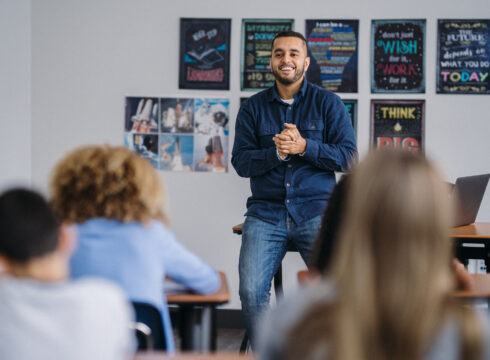


When districts talk about teacher shortages, they’re not just referring to vacant teaching positions. They’re also referring to a lack of fully certified teachers, with some classrooms led by educators who aren’t fully certified for their roles.
As of 2025, according to the Learning Policy Institute (LPI), 1 in 8 teaching positions is either unfilled or filled by someone who lacks full certification. This shortage creates a gap in pedagogical skills, such as instruction and classroom management, that can undermine student achievement.
Earning a Master of Education (MEd) prepares teachers to pursue licensure in fields such as special education and elementary education, while strengthening the pedagogical skills needed to create impactful, empathetic classrooms.
What Are Pedagogical Skills?
Pedagogical skills are the abilities that teachers develop over time to manage classrooms effectively and support student learning. These skills help educators understand how students learn; adapt instruction to meet different needs; and communicate clearly with students, families, and colleagues.
7 Pedagogical Skills for Teachers and Administrators
Different teaching positions require different pedagogical skills. For example, professionals in outdoor education may rely more on experiential, hands-on instruction, while those in special education often need a higher degree of emotional intelligence to support students with diverse needs.
However, some pedagogical skills are foundational across all roles and essential for both teachers and administrators.
Communication
Communication is key for educators and applies across all aspects of teaching. Teachers must be able to explain difficult concepts in ways that are clear and accessible for students at different grade levels and with different learning abilities. They must also be skilled in active listening to interpret student feedback, questions, and misunderstandings in real time and adjust their approach accordingly.
Additionally, teachers must communicate effectively with other adults, including teachers, administrators, and parents. Clear communication helps ensure alignment with each student’s needs, progress, and educational plan.
Adaptability
One of the greatest challenges of teaching is that no two students learn the same way. Some may benefit from hands-on group activities, while others prefer independent instruction. Additionally, students often progress at different paces.
At the same time, teachers must ensure that all students achieve the same curriculum goals. Adaptability allows educators to adjust how they deliver content so that it meets diverse learning needs while still maintaining consistent standards. When done well, this helps students stay challenged without becoming overwhelmed, creating the conditions for confident learning.
Trust Building
Teachers play a central role in students’ daily support systems, often serving as the primary adults they turn to during the school day. Building trust with students is an ongoing process that requires consistency, empathy, and reliability.
When students trust their teacher, they’re more likely to engage in the classroom and view it as a safe place for learning. This sense of trust can help even more hesitant students participate, build confidence, and connect more deeply with the material and their classmates.
Encouragement
Students want to learn, but they want to do so at their own pace and on their own terms. According to a 2024 study from Opportunity Education and Gallup, only about 10% of middle and high school students say they “strongly agree” that they get to make choices about their education in the classroom, while only 12% say they “strongly agree” that they can learn at their own pace.
At the same time, 55% of students said they invest significant effort in extracurricular activities that align with their interests, suggesting a gap between how they engage inside and outside the classroom.
Teachers can help bridge the gap by encouraging students to take a more active role in their learning. By offering guidance, support, and opportunities for choice, educators can foster greater engagement and help students feel more connected to their educational experience.
Planning
Educators are held to high standards, as the choices they make can deeply impact their students’ educational paths. As a result, detail-oriented planning is a core pedagogical skill.
Lesson plans guide how teachers structure the curriculum and ensure that students meet learning objectives. They also provide a framework for administrators to assess whether instruction is aligned with broader academic goals and prepares students for the next stage.
Effective planning also includes anticipating students’ needs, selecting appropriate instructional strategies, and incorporating opportunities for assessment and feedback. The level of preparation helps ensure that lessons stay organized, purposeful, and responsive to student progress.
Empathy
Educators work with students from all walks of life, each with different needs and experiences. When teachers lead with empathy, they encourage students to feel more comfortable and confident in the classroom.
This approach creates a ripple effect. By creating an empathetic space for students to feel safe being themselves, teachers can also help students develop empathy for others. This chain reaction can create more supportive schools where students feel comfortable expressing their thoughts and emotions.
Collaboration
Few teachers work entirely on their own. In most cases, teachers need the support of other teachers as well as aides, administrators, and other school staff members to create lesson plans and manage their classroom.
Many teachers also think of parents as an important part of the learning process, as they need to work with parents to ensure that a student is getting the support they need both at school and at home.
Hone Your Pedagogical Skills
Teacher shortages can impact student learning and achievement, particularly when schools rely on educators who aren’t fully certified. Without strong training and pedagogical skills, these teachers may be less equipped to manage classrooms and help students reach their goals.
New England College’s online Master of Education (MEd) is designed for both licensed teachers and those seeking licensure who want to strengthen their pedagogical skills and create more effective learning environments for students.
Through the program, teachers learn essential educational and administrative concepts while also focusing on a specific concentration, such as special education, to deepen their expertise. The fully online program, which can be completed in as little as 18 months, offers a flexible path for teachers to advance their skills.
Prepare to become a more impactful teacher and educational leader with NEC.
Learn More
Apply to NEC
Explore Academic Degree Programs
Read More NEC News